Between Land and Legend: Álfaborg, East Iceland
In the remote coastal village of Bakkagerði, in East Iceland’s Borgarfjörður Eystri, a modest grassy hill known as Álfaborg rises within the surrounding fjord. Home to fewer than 150 residents, Bakkagerði is one of the most isolated settlements in the country. Unremarkable in size, it carries an outsized weight in Icelandic cultural life: it is widely regarded as the dwelling place of the huldufólk — the hidden people — unseen beings said to inhabit the surrounding landscape.
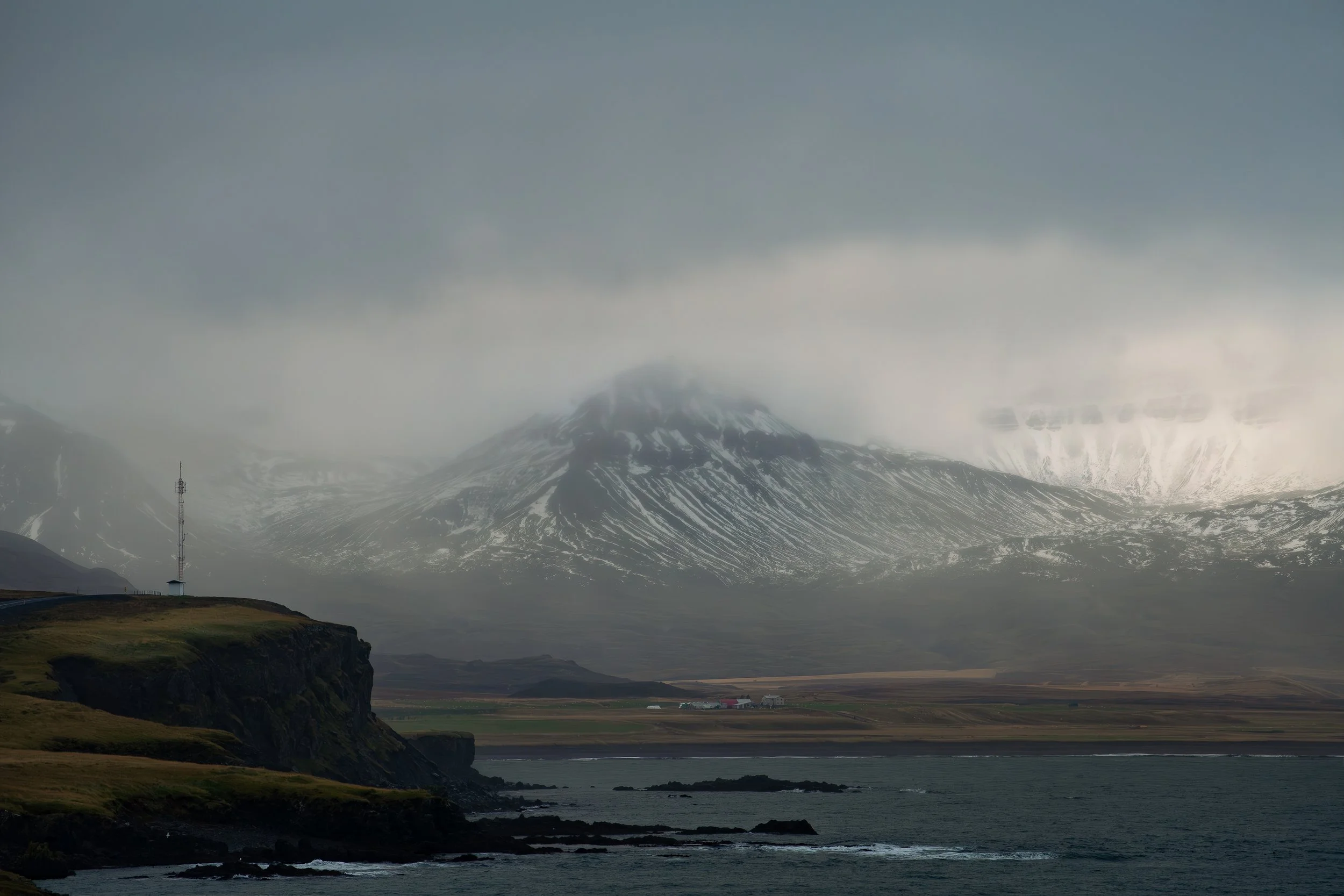
Belief in the hidden people has not fully disappeared in modern day. It exists in a nuanced space between folklore and cultural inheritance, shaping stories and environmental planning. Across Iceland, roads have been rerouted and construction projects altered to avoid disturbing sites associated with the unseen.
Bakkagerði itself is considered one of the country’s most significant centers of elf folklore, though to many visitors it is best known for the puffin colony at Hafnarhólmi, a place where thousands of seabirds gather each summer to nest. Alongside this tourist hotspot, Álfaborg is often referred to as the “Elf Queen’s palace” in local tradition. The hill sits just above the village tucked behind one of the remaining torfbæir, or turf houses.
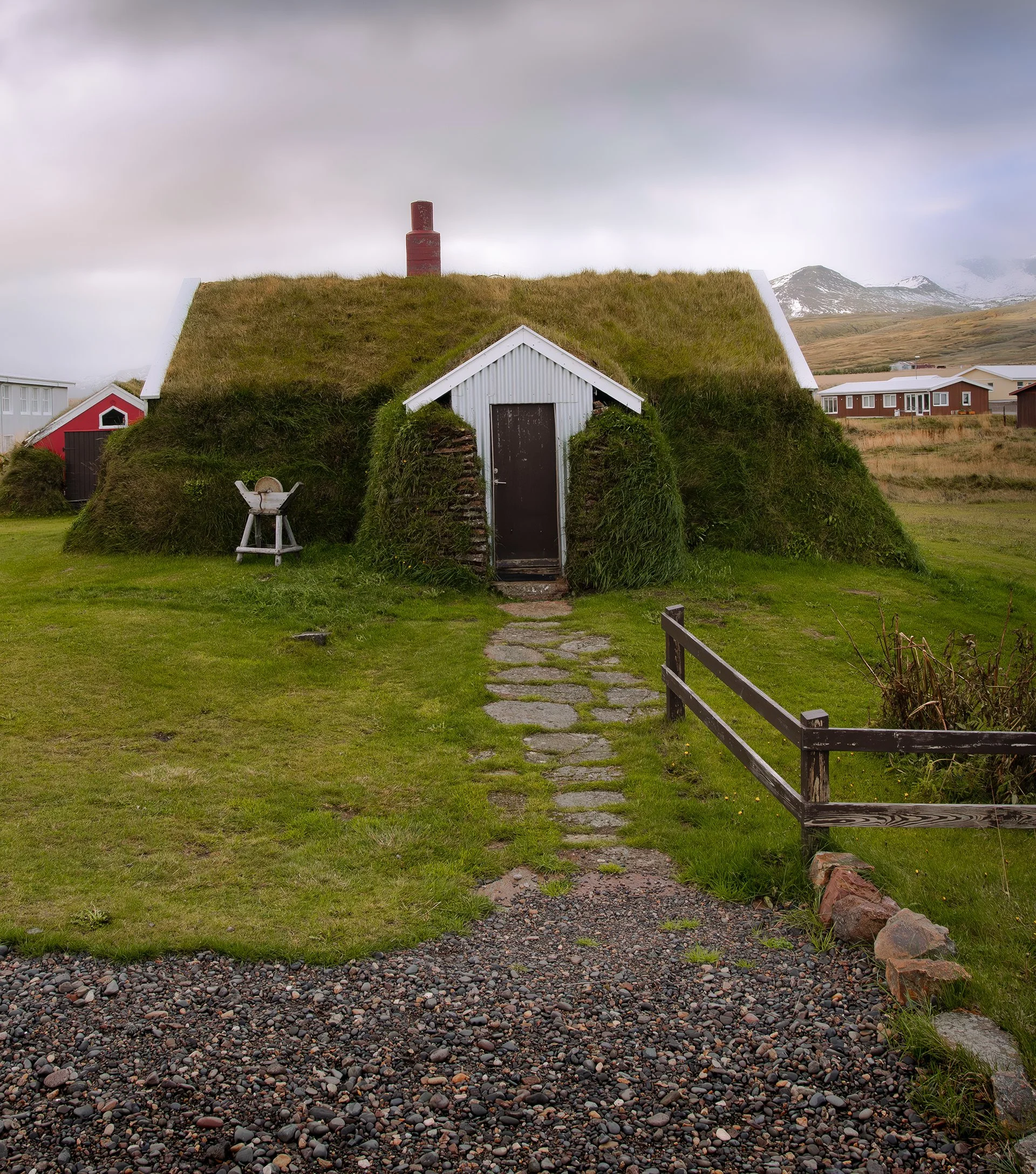
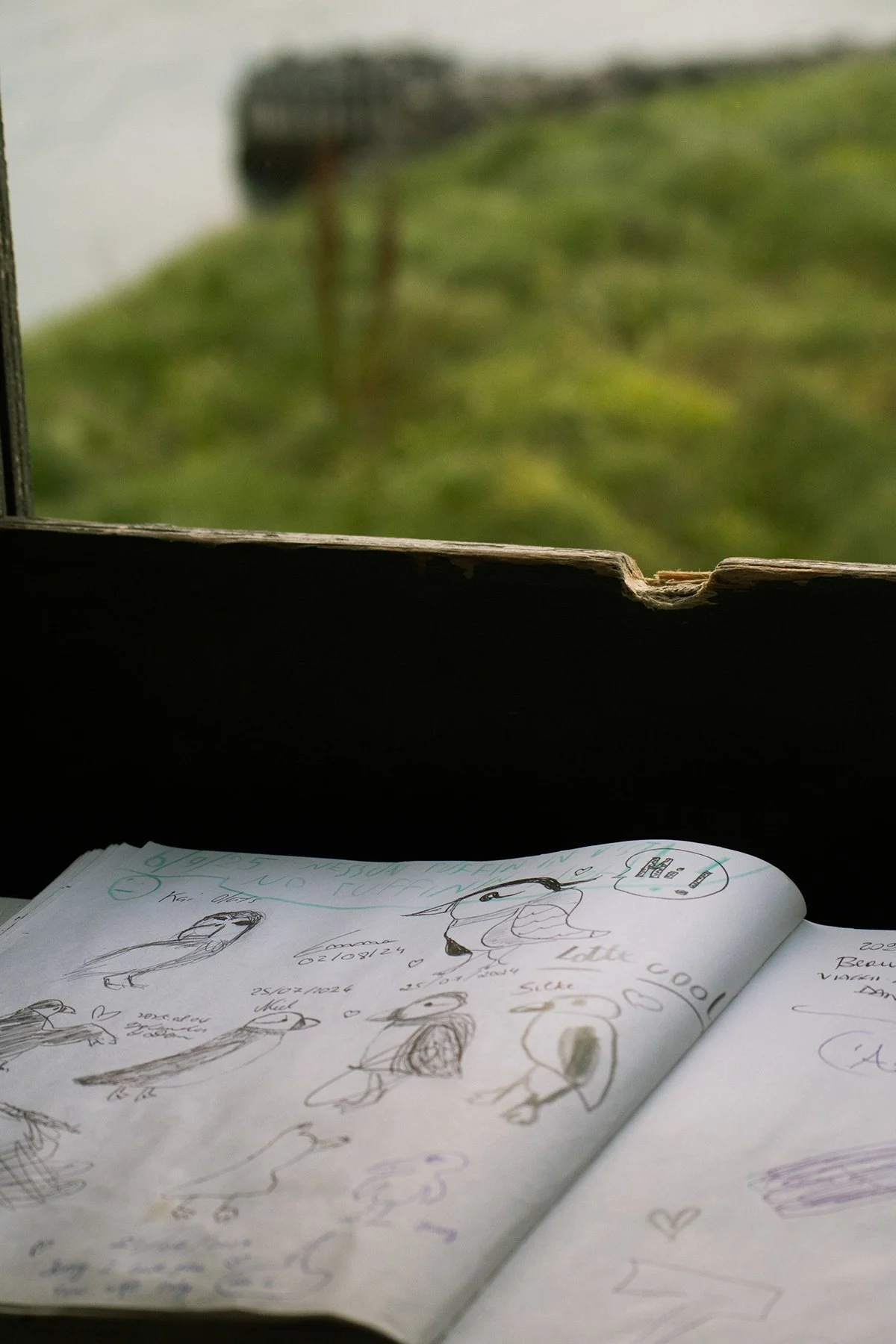
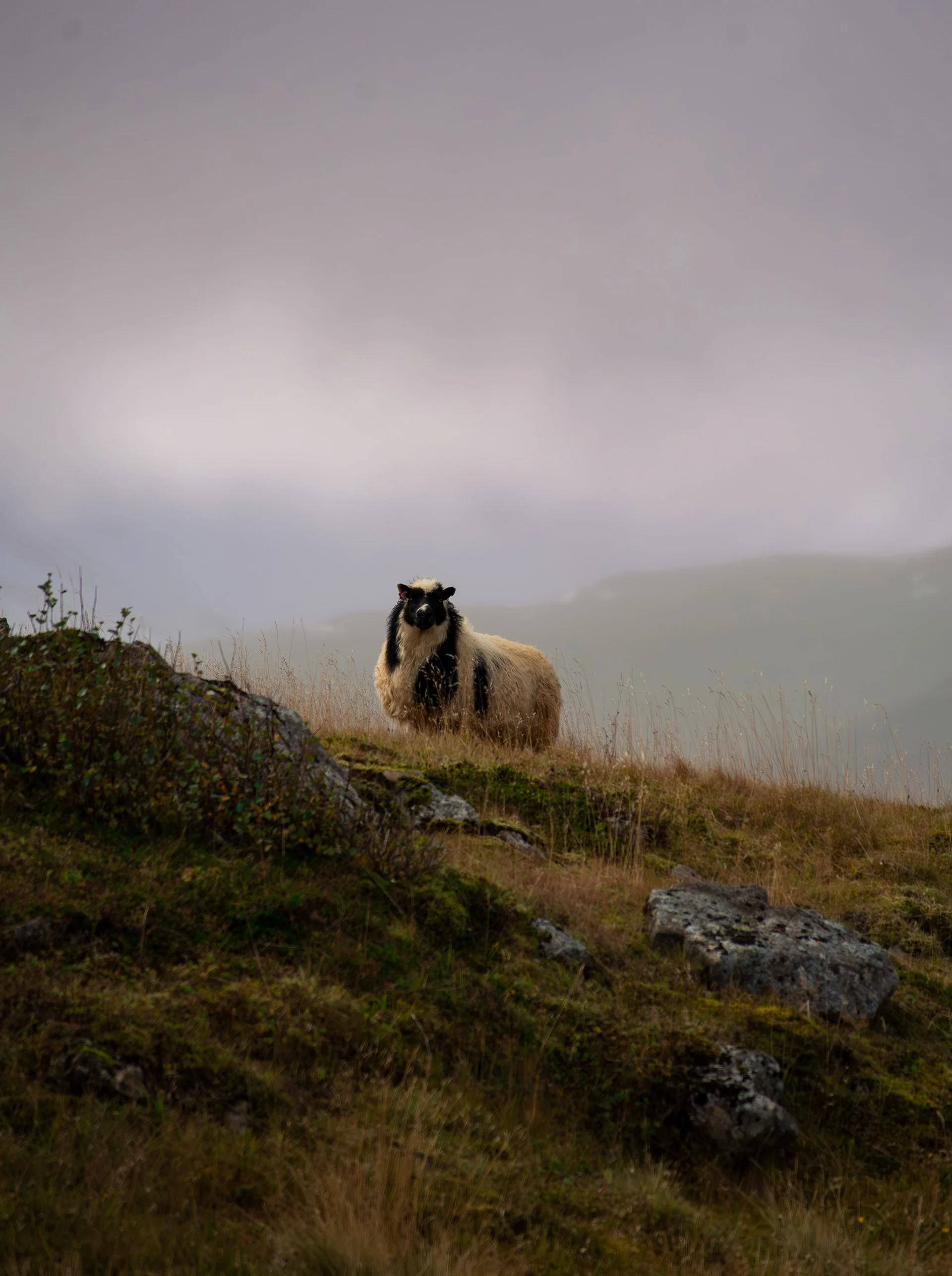
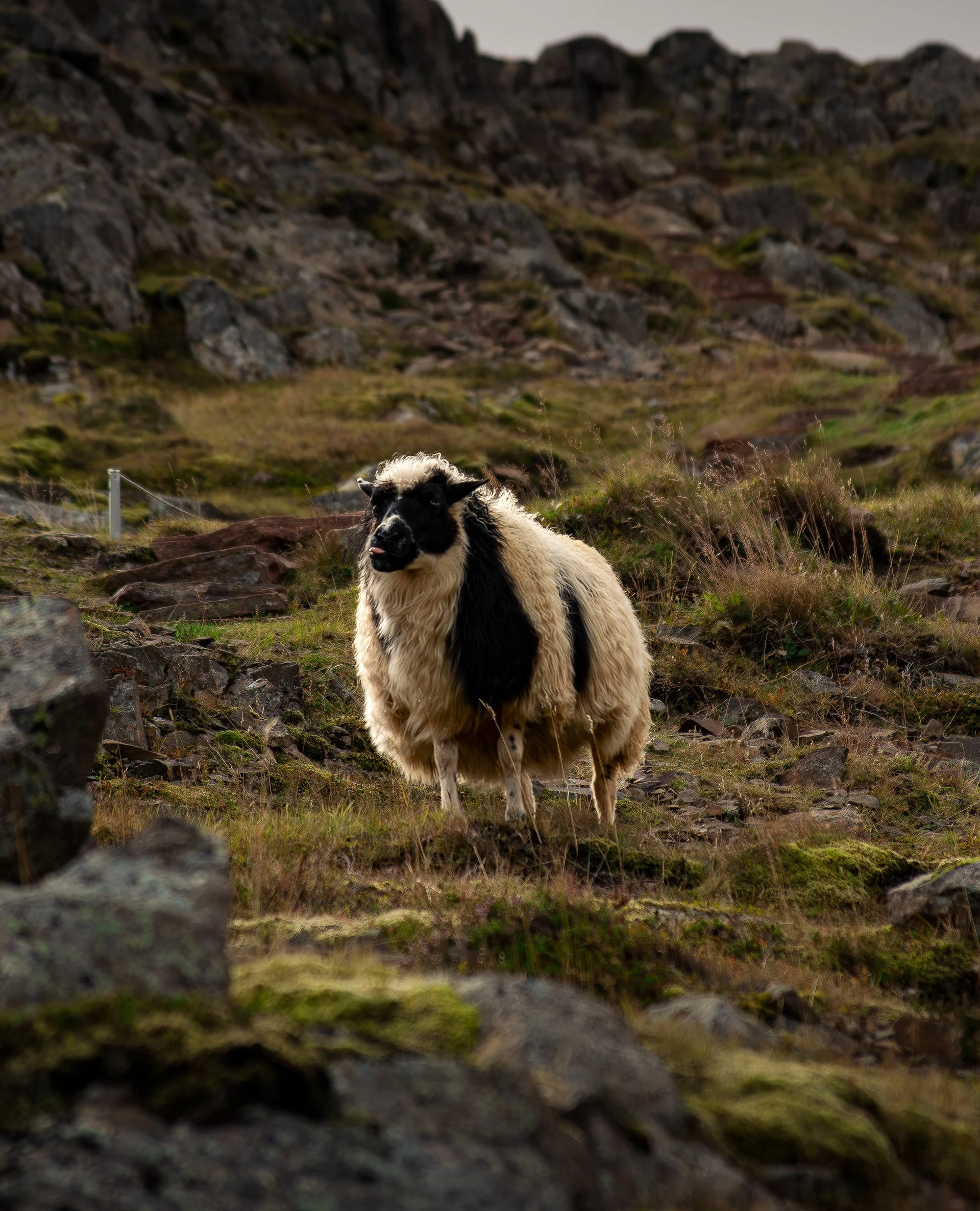
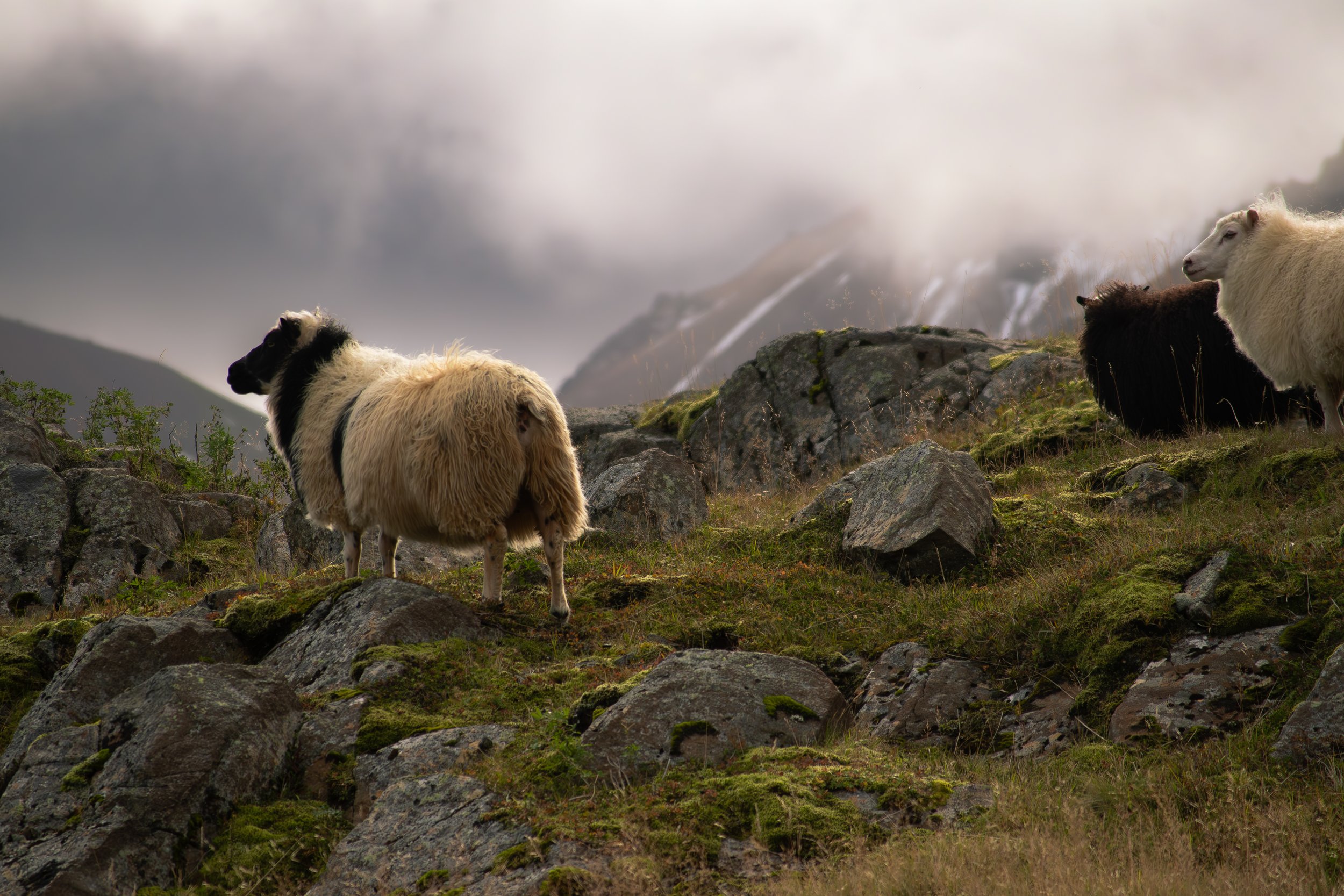
Each summer Icelandic sheep are released to roam freely across the highlands and coastal hills, no fences or handlers, navigating the terrain at their leisure. On Álfaborg, they move through a site defined simultaneously by ecological and mythological significance.
In traditional accounts, encounters with the hidden people do not tend to occur in spectacular moments, but in the mundane; during a walk along a familiar path, while herding livestock, while working the land. Animals are often described as more perceptive than humans: attuned to dimensions of the environment that remain otherwise elusive. Whether or not one holds these accounts as literal, they live on as part of how Iceland narrates its relationship with place.
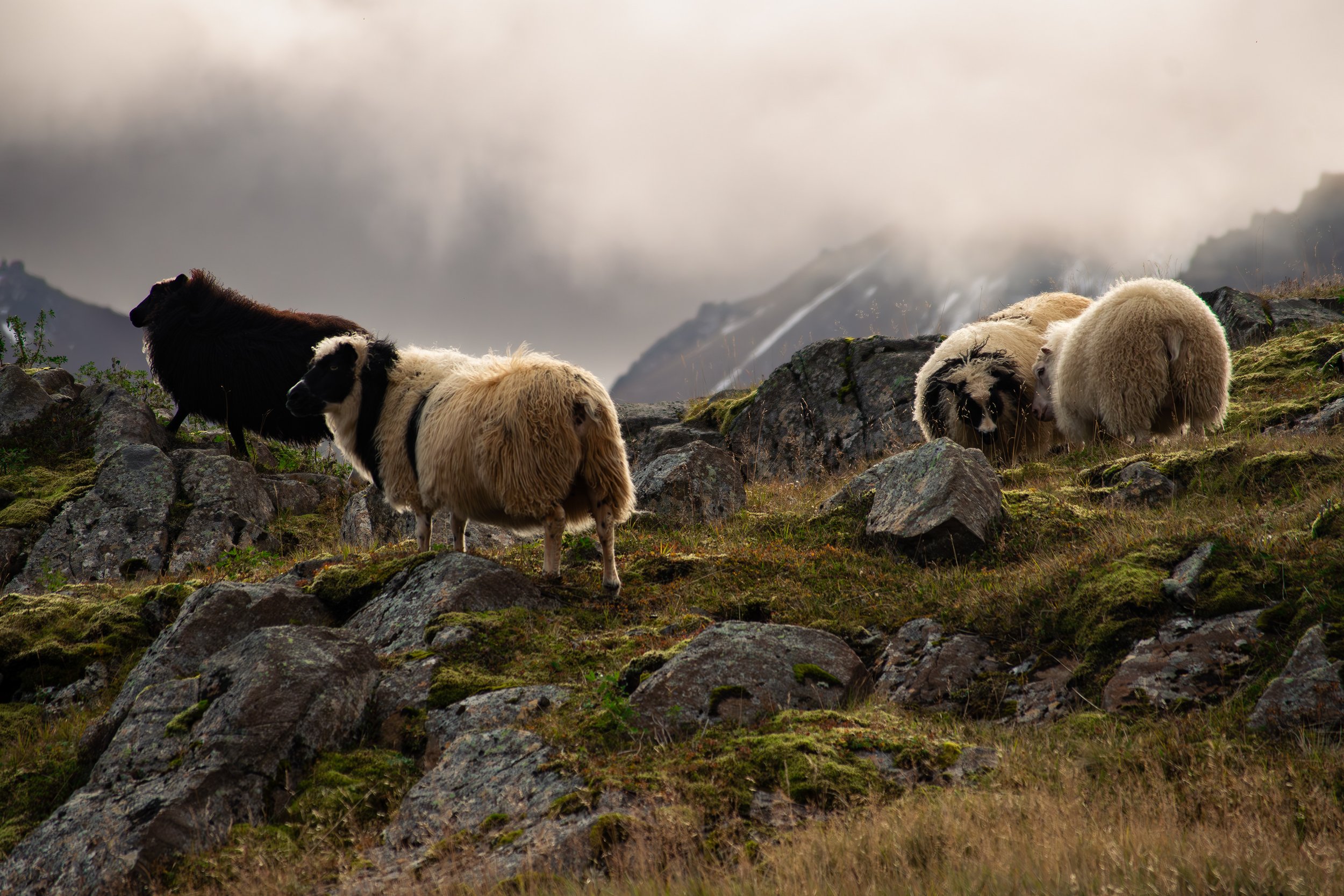
Photographed in fog and shifting light, these sheep occupy a mystical threshold. Their movement across Álfaborg is, on one level, simply what sheep do. On another, it is a continuation of something esoteric: life moving across a landscape rich with the folklore of the Icelandic people.
This series does not treat Icelandic folklore as relic or curiosity. It treats it as a living framework — one that governs how the land is seen, and how it is protected for generations to come.